
With Hope and Faith
Lessons from Four Personal Crises
Sometimes the challenge is workable; a delayed flight, a missed appointment, a frustrating traffic jam.
At other times, it overwhelms us and shakes us to the core.
Over the years, I have learned that challenges are inevitable. Defeat, however, is not.
Looking back, some of my greatest lessons came not from success but from crisis. They emerged from situations that I never would have chosen.
Each experience taught me something about fear, faith, resilience, and God’s ability to sustain us through life’s storms.
Challenge or Crisis?
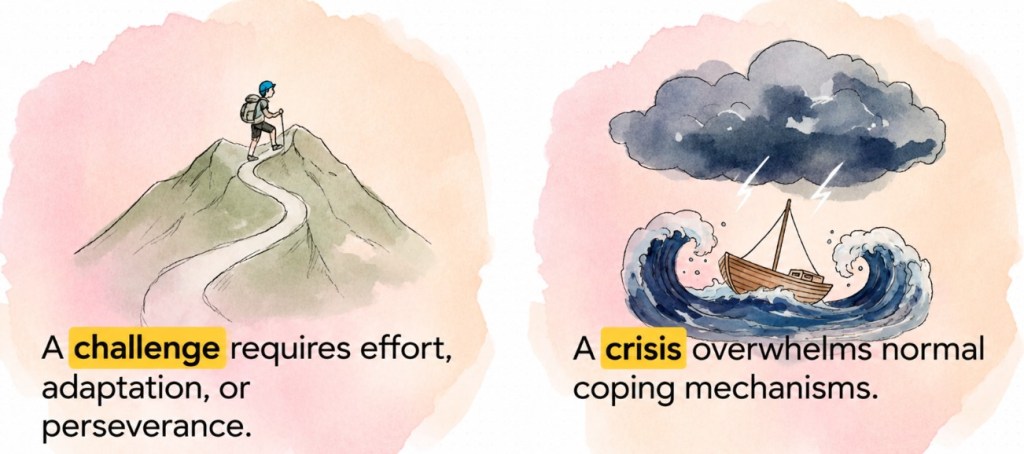
Every crisis is a challenge, but not every challenge becomes a crisis.
The important question is not whether storms will come. They will.
The real question is: How will we respond when they do?
I have discovered that my greatest growth happened not when everything was going well, but when things fell apart.
Faith did not remove the challenge.
Hope did not eliminate the difficulty.
But together, they helped me move through it.
I like this quote from the Japanese author Haruki Murakami’s acclaimed novel, Kafka on the Shore:
“And once the storm is over, you won’t remember how you made it through, how you managed to survive. You won’t even be sure whether the storm is really over.
But one thing is certain. When you come out of the storm, you won’t be the same person who walked in. That’s what this storm’s all about.”
Why Do Things Go Wrong?
Every difficult situation is unique, but many can be traced to three common sources.
Sometimes the problem is us. We make mistakes. We overlook details. We exercise poor judgment.
Sometimes the problem is the broken world around us. It could be systemic failures, natural calamities, or unexpected events.
And sometimes the problem is our expectations. We assume life will unfold according to plan, and when reality takes a different path, we struggle to adjust.
Whatever the cause, crises often act like an X-ray.
They reveal what is hidden beneath the surface.
They expose our coping mechanisms, fears, strengths, weaknesses, and ultimately where we have placed our trust.
Crises often become turning points because they force us to confront reality and choose how we will respond.
The Four Emotional Traps
Studies show that people react to crises in predictable ways.
When things go wrong, we may experience shock, fear, anxiety, anger, or despair. Beneath these reactions are four common emotional traps:
- Anger
- Panic
- Resignation
- Blame
I know these traps because I have fallen into every one of them.
Trap #1: Anger
Left unchecked, anger makes us critical, combative, cynical, and eventually bitter.
I experienced these exact shifts firsthand but thankfully did not reach the bitter part.
In 2012, two years before my retirement, I experienced one of the most difficult seasons of my professional life.
A new employee joined my team. Over time, I sensed a shift in team dynamics. There was tension and resistance to my leadership. Eventually, the workplace environment became openly hostile.
Then came the shock.
After the employee resigned, HR called me into a formal meeting and read a list of anonymous allegations made against me.
I was stunned.
Throughout my career, I had never broken the code of conduct or business ethics. Suddenly, my reputation was being questioned. I felt intimidated, embarrassed, and angry.
My immediate reaction was to fight.
I challenged the process. I defended my record. I produced awards and commendations. I wanted justice.
Yet the harder I fought, the more disturbed I was.
During that season, my daughter shared a verse with me:
“The LORD will fight for you, and you shall hold your peace.”
Exodus 14:14
She printed the verse in four versions, and I placed them at my workstation.
Confronted by those words, I made a conscious decision to stop obsessing over the accusations and focus on my work.
Months later, HR closed the investigation. A year later, my manager appreciated how I won back the confidence of the team. I received a promotion, an extension of service, and a salary increase.
The lesson? Anger promises control, but it steals peace.
Trap #2: Panic
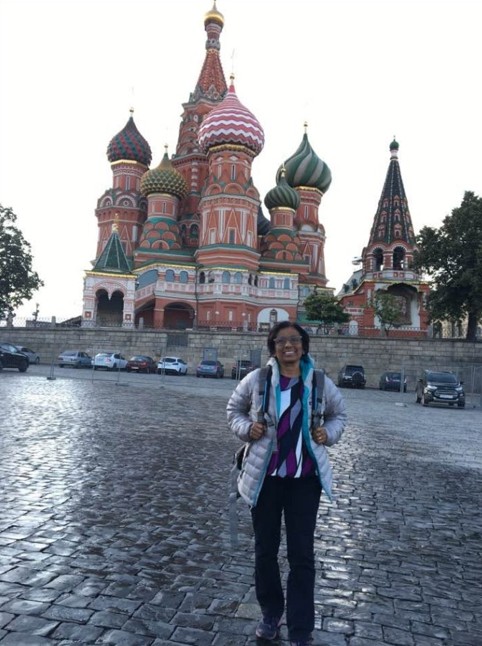
In June 2017, I embarked on a solo trip to Russia, a destination I had dreamed of visiting.
I prepared thoroughly. I learned some Russian phrases, practised reading the Cyrillic alphabet, and researched every stop of my itinerary.
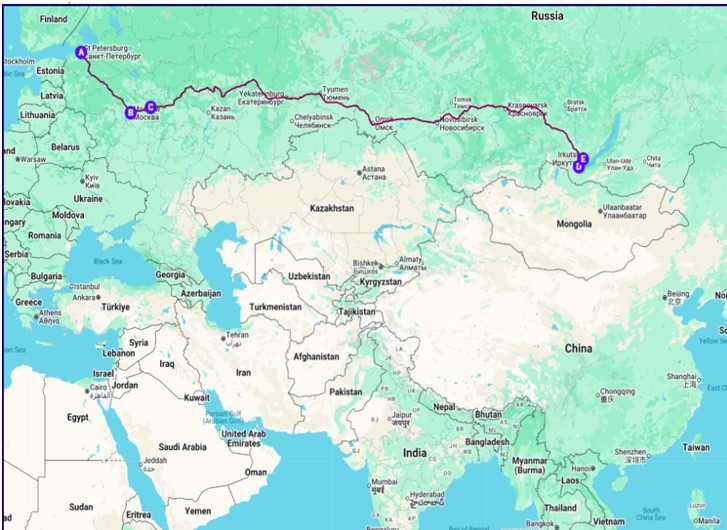
The first day in St. Petersburg was magical.
But on the second day, everything shattered. I was standing at a bus stop. I reached into my bag to buy a ticket, and my heart stopped. My wallet was gone.
And in that wallet was everything: my passport, my credit cards, my US dollars, and my Russian rubles.
My heart sank. I stood frozen, wondering what to do next.
Many people had warned me not to keep all my valuables in one place—but I had ignored the warning. This was a disaster of my own making.
I rushed back to the hotel. It wasn’t there. The receptionist directed me to the police station, where I filed a complaint. Then I went to the Indian Embassy. The officer said I would have to go to Moscow and they would issue a travel certificate for my return to India.
I was heartbroken. I felt horrible and wept in my hotel room.
All I could think about was the rest of the trip I would miss.
I cried out to the Lord to help me. And that’s exactly what the Lord did!
Gradually, my perspective shifted.
I thought to myself: “It is 6:00 PM. I am still in Russia. Why not make the most of the time I have left?”
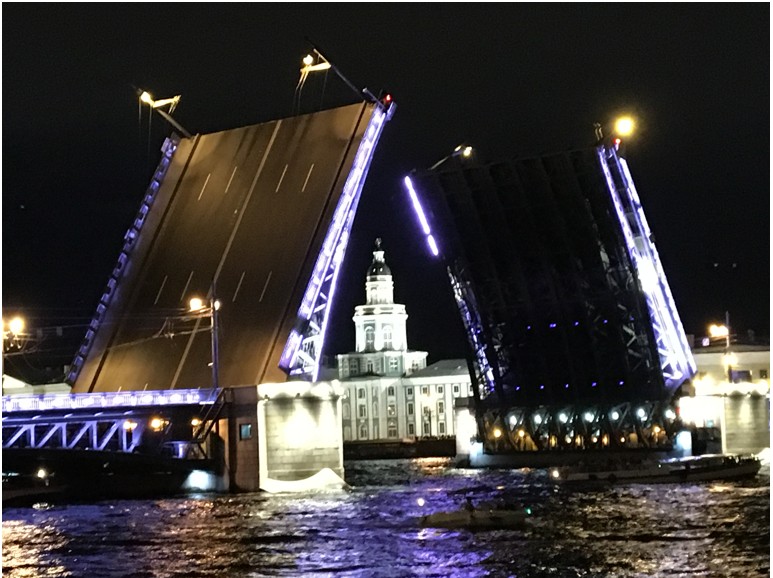
I walked five kilometres to see the Palace Bridge being raised over the Neva River. It’s one of the tourist spots.
The huge bridge splitting in two, and slowly lifting upwards to let cargo ships pass.
To my surprise, the panic I had felt earlier was gone, replaced by joy.
The next day, I travelled to Moscow and applied for a temporary passport at the Indian embassy. When I returned the following day to collect it, it wasn’t ready. The embassy would be open only until noon the next day, so I waited anxiously, hoping my name would be called. Finally, it was.
When I received my temporary travel certificate I was so happy to see that it included a Russian visa covering the remainder of my trip. The Passport officer said, “We intentionally delayed issuing it. A temporary travel certificate is only valid for ten days, so we waited to align it with the rest of your vacation.”
The rest of the journey went as though no calamity occurred.
Looking back, I realised that the turning point came when I reached out to God in my hotel room, focusing on what I could control. and stepping out—literally—on that long walk.
Trap #3: Resignation
The third trap is resignation—the urge to stop trying.
I encountered it during a health crisis in 2022.
One morning, I woke up unable to get out of bed. My head felt heavy, and the room spun violently whenever I tried to sit up.
I thought, “Maybe life is ebbing away from me. Why should I fight death?”
I closed my eyes, and drifted into a daze.
In the middle of that darkness, a verse from Psalm 91 surfaced in my mind and woke me:
“With long life I will satisfy him, and show him My salvation.”
I gathered my wits and looked for my phone and called my daughter. Soon I was in a hospital.
The diagnosis included severely elevated blood pressure, acute positional vertigo, and COVID-19.
Treatment stabilized my condition, but left me with a tottering gait.
Resignation set in. I told myself I just had to live with this imbalance. I mourned the thought that my days of solo travel and trekking—something I did every year—were officially over. It was a heartbreaking realization.
But I have a wonderful set of believers around me. A friend from my life group regularly prayed this verse over me:
“He makes my feet like the feet of deer, and sets me on my high places.”
Psalm 18:33
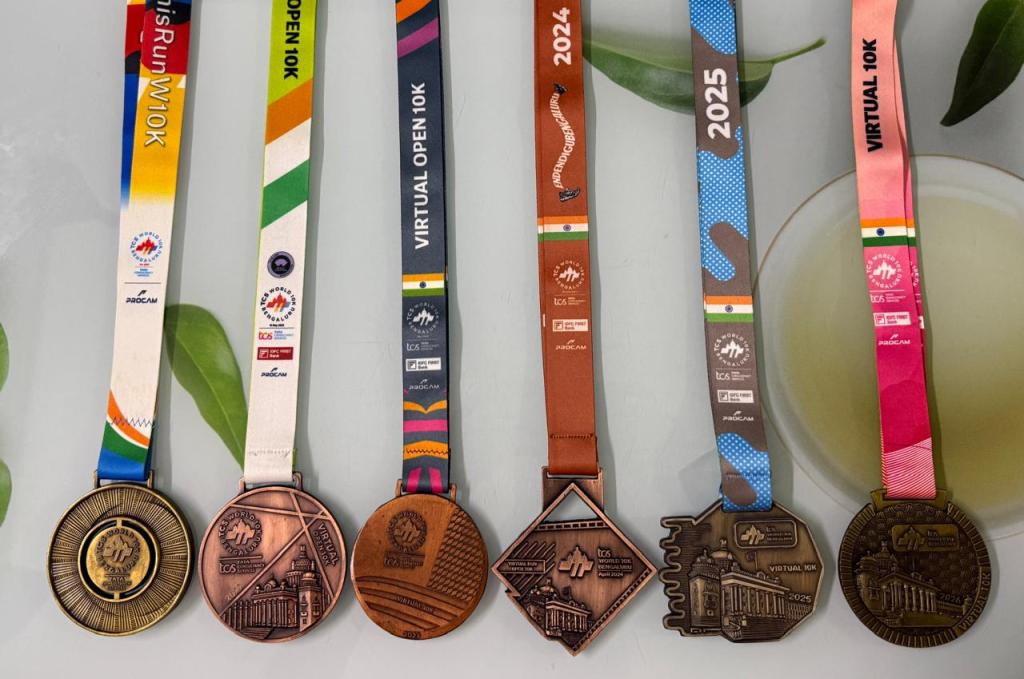
Every day, I practised walking up and down the upstairs hall in my home. Three months later, I participated in the TCS World Virtual 10K Run and completed it. I did it entirely from my hall.
And remember how I thought my travel days were dead and buried?
Since that diagnosis, I have continued to travel out of the country every year. In fact, just last year, I completed two entirely solo international trips.
Repeated setbacks create a sense of learned helplessness. Many people do not quit publicly; they quit internally—continuing to function outwardly while losing hope on the inside.
The lesson? Faith refuses to believe that today’s setback is the final chapter.
Trap #4: Blame
In 2025, while travelling in Milan, I experienced another painful setback.
Last year in Italy, at Milan, my wallet was pickpocketed on a bus. All my cash and cards were gone in an instant.
My immediate thought was, “Not again.”
The irony of the situation was painful. Before the trip, I had watched dozens of videos on exactly how pickpockets operate in Italy. I knew their tactics well.
It happened so fast. A lady on the bus pointed at a dog’s snout sticking out of the bus door. I turned my head, nudged the dog’s owner, and was momentarily distracted. Somewhere in those few seconds, my wallet vanished.
Then came the familiar process of filing a police complaint, except that this time, my passport was safe. At the police station, I wasn’t the only victim that day. Another gentleman sat there looking just as distressed.
My son’s friend in Spain wired me some money via Western Union. After a long walk through the city to collect the cash, I sat down at a café with a hot coffee and a slice of chocolate cake. It wasn’t a permanent solution, but it was just enough to steady my nerves.
My first human instinct was fury—blame directed at the criminals.
How could they rob a grey-haired lady!
I was quick to blame the pickpocket team. But the real issue was deeper — I had knowledge, but no alertness. I saw the warning signs in theory, but in the moment, I was blind. My attention shifted, my guard dropped, and I walked straight into what I already knew could happen.
The lesson? Blame focuses on who did it. Blindness ignores how I enabled it.
The Grid of Restoration
Looking back, the circumstances were completely different—a workplace conflict, a stolen passport, a health crisis, and a pickpocket. But the emotional battle underneath was remarkably similar.
In every situation, hope and faith changed the response and strengthened my confidence in God’s faithfulness.
Anger becomes peace.
Panic becomes perspective.
Resignation becomes strength.
Blame becomes wisdom.
The 5 C’s Crisis Checklist
1. Control What You Can
You cannot control every circumstance. You cannot control other people. Focus instead on your attitude, your choices, and your next steps.
2. Cultivate Resilience
Resilient people do not pretend everything is fine. They accept reality honestly, regulate their emotions, maintain hope, learn from setbacks, and keep moving forward.
3. Connect with Others
Do not try to carry a crisis alone. Isolation makes every single setback harder. Reach out to trusted friends, mentors, family, and your faith community.
4. Choose Gratitude
Choose to look for reasons to give thanks even in difficult environments.
5. Consider Past Deliverances
Remembering God’s past faithfulness builds confidence for today’s challenges.
The Courage to Move Forward
Not all challenges are forced upon us.
Some are chosen.
A fridge magnet saying, “A Year of Resurrected Dreams,” kickstarted my first solo backpacking trek in France in 2015.
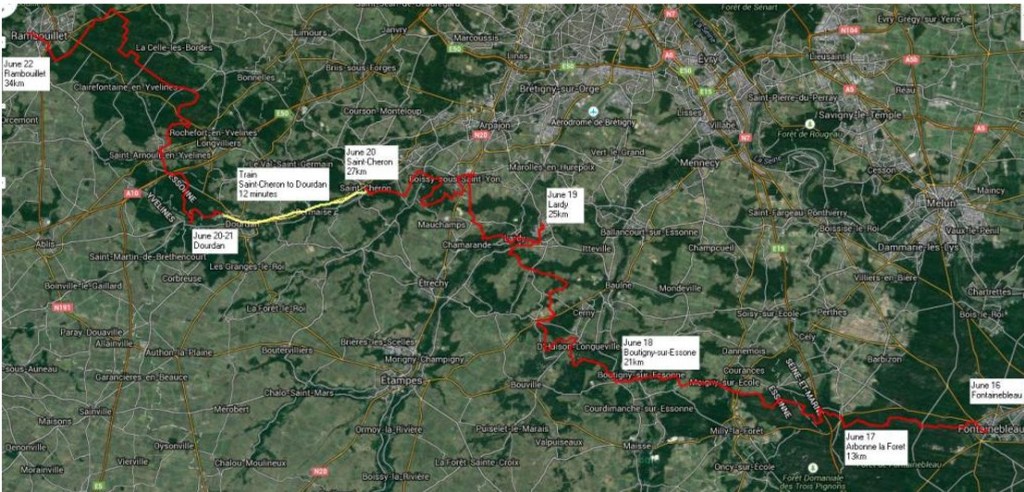
I was 61 at the time, and I trekked 120 km over six days.
I prepared for the challenges of a solo trek: endurance, navigation, weather, resilience, logistics, and contingencies.
Before the trip, I received prayer from my pastor.
I felt the presence of God throughout my walk. My feet didn’t swell, and I didn’t get even a single scratch.
That was it. Some challenges are chosen to step beyond our comfort zones.
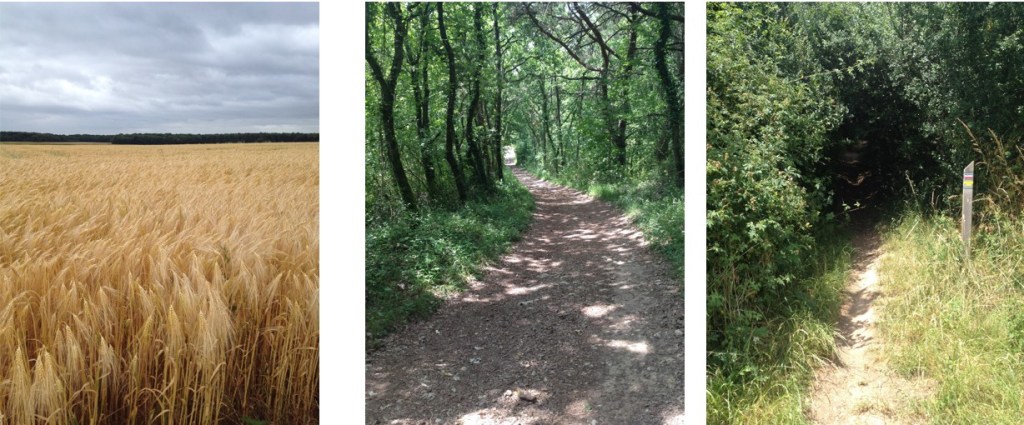
As I walked through forests, hills, and open countryside, following the red-and-white trail markers, I experienced an unforgettable adventure.
Standing on a hilltop overlooking the landscape, I realised that a dream I had carried for years had become reality.
Final Thoughts
The trek was only one more reminder of something I had been learning through every crisis and every adventure.
Looking back, I see a pattern. God met me in each crisis and continues to walk with me.
After my health issue in 2022, I completed the virtual TCS 10K from the safety of my home or apartment complex. This year, however, I felt drawn to run at the lake opposite my house. A strange fear gripped me: What if I fall? What if I have a cardiac problem? A week before the event, our church worship team sang:
Whom Shall I Fear.
“I know who goes before me;
I know who stands behind.
The God of angel armies is always by my side.”
I went home and added the song to my TCS 10K playlist.
What happened? This year, I improved my timing by 15 minutes!
The Fear remained.
The memory remained.
But faith moved anyway.
Faith is the courage to move forward despite the fear.
When facing those traps, remember:
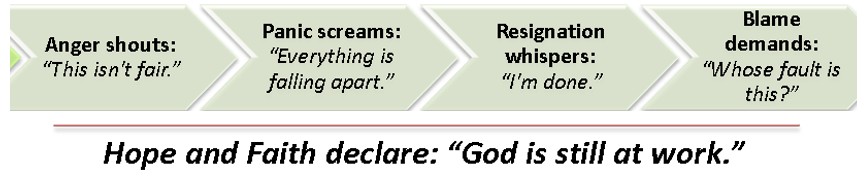
Even when things go wrong.
He stabilizes our tottering gait.
He restores our peace.
He corrects our blind spots.
He calms our fears.
He hears our cry.
He helps us stand.
As the Psalmist says:

Gave the above talk on July 11, 2026 at the Weekend School for Christian Professionals.
Here are my earlier blogs:
You’re Never Too Old
A Solo trip in Switzerland
My Italian Holiday


12 responses to “Overcoming Challenges”
Wow Jean sister. Praise God. You are a great encouragement for many of us.
Dear Jean, this is mind-blowing. I had no idea about these challenges in your life and how you met them with such dignity, courage, and faith. Thank you for sharing this post with me.
Beautifully inspiring, as you always are, dear Jean! Love the gusto and smile with which you step out onto life, facing challenges with faith, and coming out victorious and sharing the lessons you learnt for our benefit! God bless 💕
I have heard about you. Now that I read this, I am in awe! Beautiful write up. So true love the positivity and the energy.
Great Jean ,I have no words to express all my emotions and the admiration I feel for you .Your writeup is clear ,to the point ,well expressed. interesting and sincere.The spiritual aspects in the content is sufficient to turn a non believer into a ardent believer.Beautiful Jean ,thank you for sharing and keep up this great work that you are doing
Jean your life has been an inspiration to all of us.. from an early age you have supported yourself and your kids when you lost your husband at such a young age. Thanks for sharing about the disasters when you traveled and the strong faith that got you through. Even after the health issues, unbelievable to undertake the 10k marathons every year.. Jean keep smiling, you are a rock!!
Very informative. Thanks for sharing.
Great write up Jean. Very interesting, you have that rare postitivity treasure in you to overcome hurdles. Your faith and trust in God is a welcome guide to us.You have defied age to turn into a healthy person again. Hats off to you
Jean Aunty
Your a great inspiration and it’s miracle to know you and to experience this and reading thru this blog with goosebumps and having had reassurance from god today and everything feels so connected
Bless you Aunty
Nice one Jean! Amazing to read how you faced the challenges in your life. And major ones at that
Am going to try and apply those 5 C’s crisis checklist when faced with difficulties.
Thanks
Such an inspirational share Auntie Jean. Thank you so much for the strength and encouragement you are sharing through practical stories from your life.
Congrats Jean
Your courage, strength, and positive spirit are truly inspiring. You have faced life’s challenges with grace and bravery, and your continued energy and optimism are a beautiful testament to the remarkable person you are.
Keep it up ! Stay blessed.
Affectionately Ayesha