
When you’ve had enough two-legged, four-legged, and feathered creatures in your life die or disappear too soon, you learn to grieve for each one and move on; learn to cherish memories while promising to do better, be better.
I thought I understood grief, till my Kittycat died.
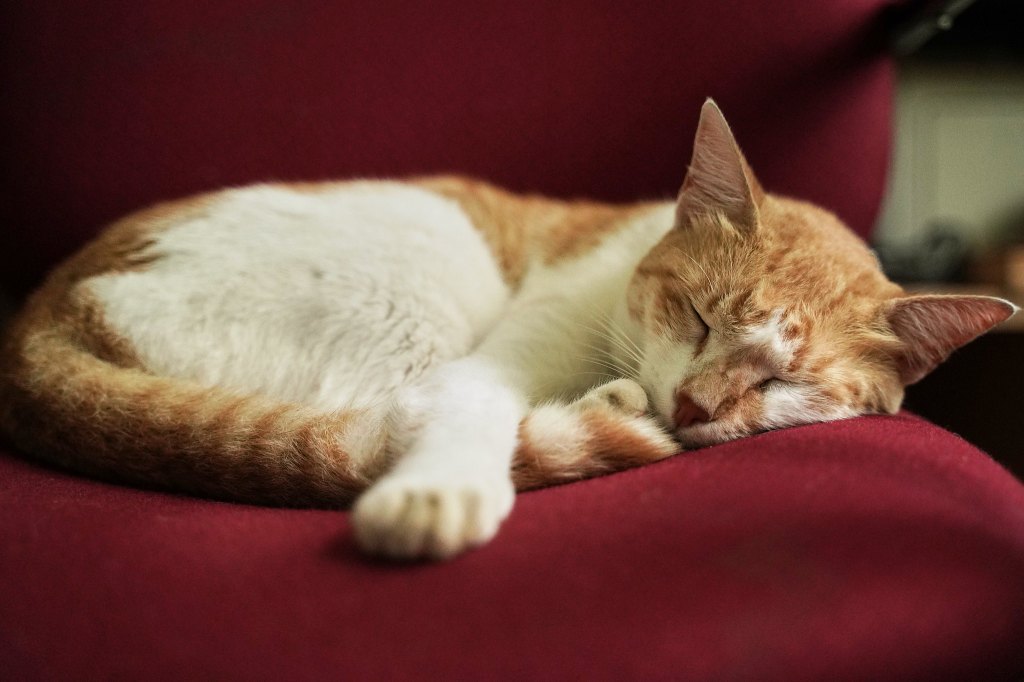
Grief has a fairly straightforward explanation, scientifically. Dopamine makes us anticipate the space, time, and emotional distance expected before we might see a loved being again, and trace cells in our brains kick in when said loved beings are not found. Oxytocin receptor levels decide how intensely we react to this loss. Cortisol levels decide the physical outcome of this reaction in our bodies – like how stressed/tired/irritable we feel, what joints hurt, how poorly we eat or sleep, and why. Ergo, sufficient sleep, stress control, and exercise (both physical and mental) can technically help you deal with grief.
So science can explain why I still whistle for Kitty softly, just in case.
And why I have an irrational need to check her sleeping spots around the house even after I buried her myself.
Or why I wish I’d done a hundred things differently that evening (like maybe if I’d tucked in early, she would’ve too? Or if I’d picked her up when she was mowwing at me, maybe she would’ve stayed? Or if I’d actually ordered the food she loved instead of leaving it in the checkout cart for later, maybe she would’ve been too full to wander? I’ll never know.)
And science can explain the sucker punch moments that leave me struggling to breathe – like when I don’t see her outside the door, waiting for me to be done with my bath.
And when I don’t hear her demanding (never asking) everything at odd intervals.
Or when I don’t feel her curl up in my lap every single time I sit, or cuddle in the crook of my legs every single time I lie down, even for yoga or a nap.
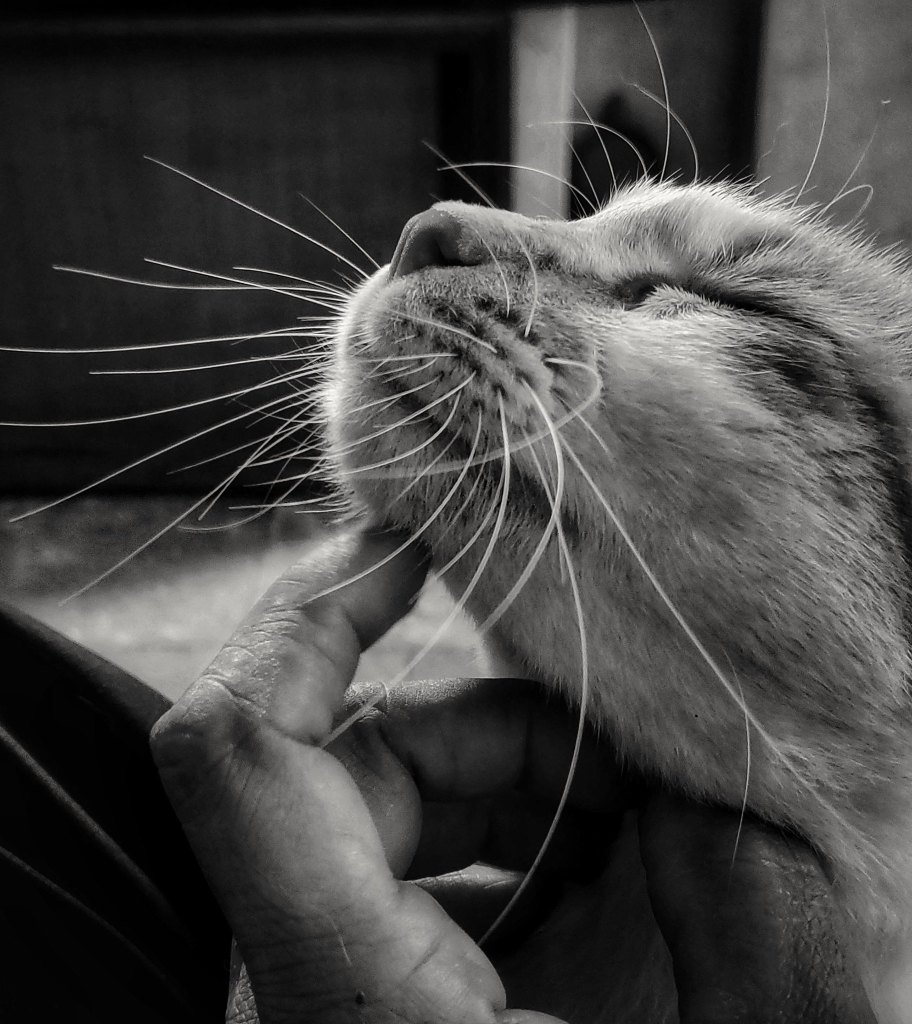
Kitty rescued me from my moods all the time. She’d demand I change places or activities or simply switch my attention to her. She just knew. And now I have to remember to breathe when I’m miserable, because she’s the only one who could’ve fixed it all; she’s gone. Science can explain this too, and tells me that writing this post can help me deal with it all. Technically speaking.
But did you know that Richard Feynman penned letters to his childhood sweetheart and wife Arline for 16 months after her death? The Nobel Laureate in Physics worked alongside Oppenheimer on the atom bomb through his grief, but wrote letters to Arline after her death anyway. The most poignant one ended with: “PS Please excuse my not mailing this — but I don’t know your new address.”
ALL the science and logic in the world can’t stop a heart from wanting what it wants.
Someday, I will be able to truly celebrate the 7 human years (42 cat years) that Kitty and I had together, and I will be able to define grief without drowning in it.
(To those thinking “it was just a cat!”, I get it. I have a list of humans I feel the same way about. You’d prolly make it to that list.)
Today though, all I can say is,
Dearest Kitty, Kittycat, Pretty Kitty, Kitty Kate, Pretty girl, my girlie, my kitty-kitty: thank you for loving me as fiercely as you did, and thank you for choosing me to be your human. You were, by far, my favorite soul on this planet. You changed me, and my world will never be the same again. I miss you, and I will love you forever.
Happy hunting! Run free and stay wild, till we meet again.

June 2015-June 2022
Sabita Rao
 A Hundred Contemplations
2 responses to “Grief”
Very touching Sabitha, profound grief.
Sorry this happened
I hope writing this helped in a small way. So sad to hear about Kittykat and so lucky she was loved by you and loved you fiercely in return. Grief is profound and hurts us all in different ways. May her spirit surround you always x